


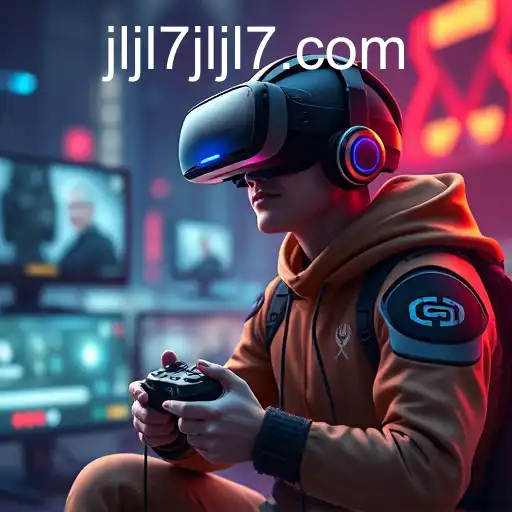
Exploring the dynamics and trends of 2025 in the gaming industry, focusing on how platforms like jljl7 are harnessing interactive storytelling and AI advancements.
The year 2025 has brought significant shifts in the gaming landscape, with technology and creativity driving new experiences for players worldwide. One notable trend is the growing popularity of interactive storytelling, a form that allows gamers to shape the narrative based on their decisions, creating unique paths and outcomes. Websites like jljl7 have surfaced as pioneers in this area, providing platforms where gamers can engage in immersive storylines crafted by both professional writers and the gaming community itself.
Interactive storytelling has garnered attention not only for its entertainment value but also for its educational potential. By allowing players to explore various narratives, these games offer insights into decision-making, empathy, and understanding complex scenarios. In 2025, developers have increasingly turned to artificial intelligence to enhance these experiences, with AI-driven characters that respond more dynamically to player choices.
The rise of augmented reality (AR) has further enriched these interactive stories. Imagine delving into a mystery game where clues and characters are projected into your real-world environment. This blend of virtual and physical realities has captured the interest of gamers seeking more engaging ways to interact with content.
Moreover, the shift towards more inclusive gaming environments continues to shape the industry. Websites like jljl7 are championing diversity by incorporating narratives that feature a wide range of characters and perspectives. This effort not only broadens the appeal of games but also promotes a more equitable gaming community.
In conclusion, the gaming industry of 2025 stands on the brink of revolution, spurred by technological advancements and cultural shifts. As platforms like jljl7 push the boundaries of what is possible, they provide a glimpse into the future of interactive entertainment, where players are not just consumers but active participants in the storytelling process.

